14 October 2026
Can Digital Commerce Build Greater Trust in Nigeria's Rice Market?
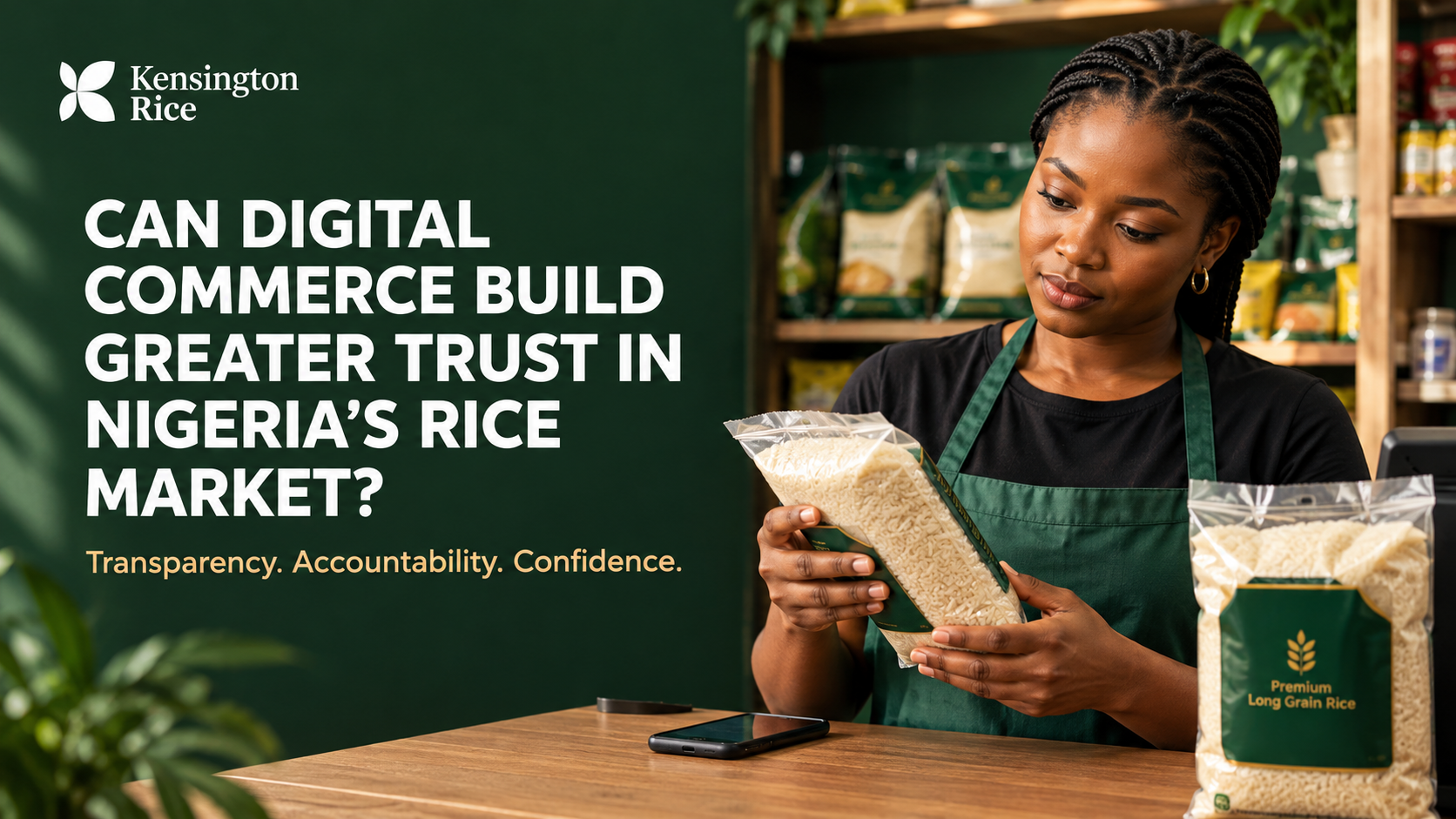
Rice is one of the most familiar foods in Nigerian households. It is bought for everyday meals, family gatherings, celebrations and businesses that serve thousands of plates daily. Yet, for a product so deeply woven into everyday life, consumer confidence remains an important part of the conversation. Beyond price and availability, buyers want to know what they are getting, whether the product meets their expectations and whether they can trust the source. These concerns become even more significant when counterfeit products and misleading product information enter the conversation. As the way Nigerians shop continues to evolve, digital commerce presents an opportunity to rethink how trust is built between food brands and consumers.
Trust Is Built on What Consumers Can See
Trust in food purchasing goes beyond a familiar brand name or an attractive package. Consumers need clear information about the product, its price, available sizes and where they can purchase it. When these details are difficult to establish, making an informed decision becomes more challenging. For brands, this creates a responsibility to communicate clearly and make the purchasing process as straightforward as possible. Consumers should not have to rely solely on assumptions or uncertainty when choosing an essential food product. Transparency is therefore more than a marketing advantage. It is an important part of the relationship between a brand and the people who buy its products.
From the Market Shelf to the Digital Storefront
Digital commerce offers food brands another way to connect with consumers, moving product discovery and purchasing beyond the traditional point of sale. Through an online platform, customers can review product information, check prices, explore available options and understand how to place an order before making a purchase. This can make the buying process more convenient while giving brands greater control over how their products are presented to potential customers. It also creates an opportunity to establish a clearer connection between the brand and the buyer. When customers can identify an official sales channel and access consistent product information, they have a more reliable starting point for making purchasing decisions. However, selling online does not automatically guarantee authenticity. Digital platforms build confidence only when the information they provide is accurate and the processes behind the sale are dependable.
The Fight Against Counterfeits Starts With Accountability
Counterfeit products present a broader challenge for consumer markets, particularly when buyers struggle to distinguish genuine products from imitations. Digital purchasing can contribute to addressing this challenge when brands use official sales channels, communicate product details consistently and provide customers with a clear way to verify who they are buying from. For rice brands, an online presence should do more than display product images and prices. It should help customers understand what is being offered, who is selling it and what to expect after placing an order. The responsibility does not end when a customer clicks the purchase button. Order confirmation, communication, delivery and the resolution of customer concerns all contribute to the overall experience.
A New Opportunity for Nigeria's Rice Industry
As consumers become increasingly familiar with purchasing products online, food brands have an opportunity to rethink how they serve their audiences. Digital commerce can help make product information more accessible, simplify ordering and create additional opportunities for customer engagement. It can also provide brands with useful insights into consumer preferences and purchasing behaviour. For a product as widely consumed as rice, these improvements can make a meaningful difference to the buying experience. But the opportunity goes beyond convenience. Brands that combine accessible digital channels with transparent communication and reliable fulfilment can build stronger relationships with customers over time. This requires consistency. A brand must deliver on the expectations it creates, both online and after the product reaches the customer.
Beyond the Sale: Making Trust Part of the Experience
At Kensington Rice, we see digital commerce as an opportunity to make buying rice more accessible and straightforward. Our digital-first approach reflects the importance of meeting consumers where they are, making product discovery easier and creating a clearer path from interest to purchase. We believe the experience of buying rice should be supported by the same confidence consumers expect from the product itself. That means putting transparency, convenience and trust at the centre of how we communicate with customers. Technology alone cannot resolve every challenge within the food supply chain. But when supported by responsible business practices, it can help brands create better purchasing experiences and strengthen their relationships with consumers. The future of food commerce will depend not only on how easily products can be bought, but also on how confidently people can buy them.
For Nigeria's rice market, that is a conversation worth having.
Kensington Rice. The grain you can trust.