27 October 2026
How to Choose Quality Rice in Nigeria: A Buyer's Guide
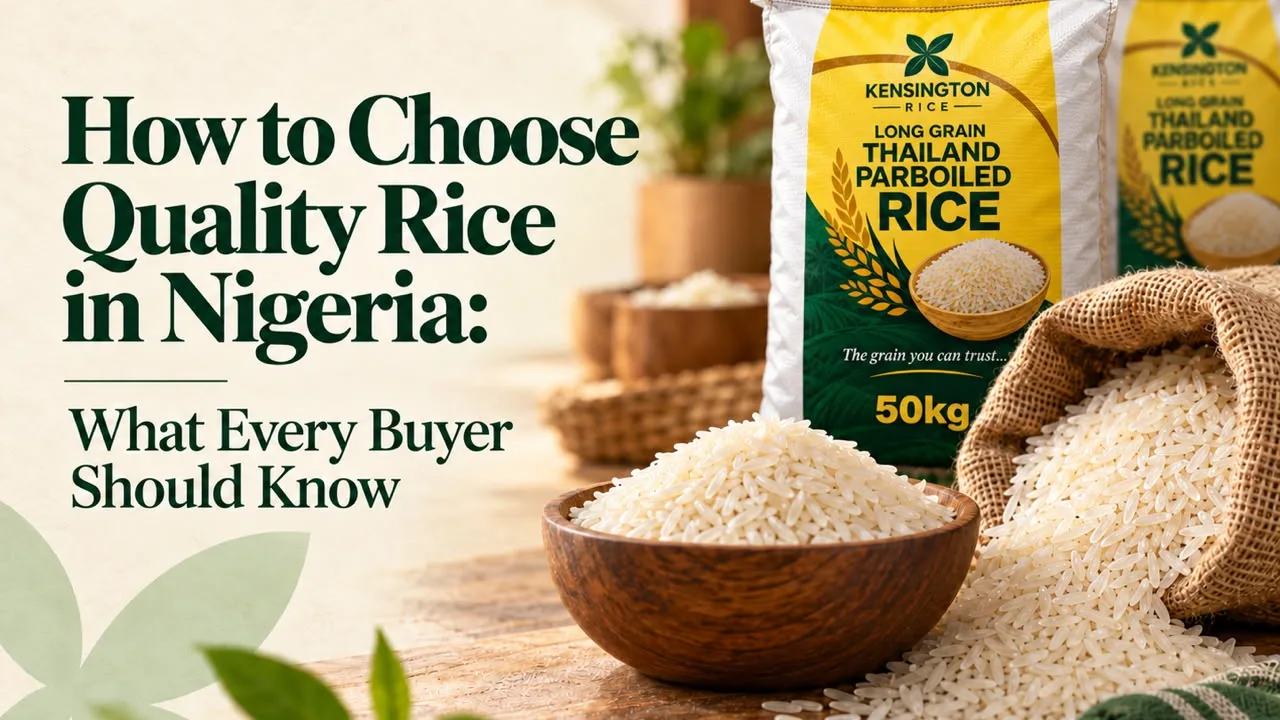
When buying rice, it is easy to make price the first consideration. With food purchases forming a regular part of household spending, finding an option that fits the budget matters. But the price on a bag does not tell the whole story. The quality of the grains, how the rice performs when cooked, how well it suits the meals you prepare and the reliability of the seller all contribute to the value you get from your purchase. For Nigerian households, caterers, food vendors and businesses that buy rice in larger quantities, knowing what to look for can make the buying process more informed. It can also help reduce the likelihood of purchasing a product that does not meet expectations. So, how do you choose quality rice in Nigeria? Here are the factors worth considering before making your next purchase.
1. Look at the Appearance of the Grains
The appearance of rice can provide useful clues about its quality. Depending on the variety, buyers may look for grains that are reasonably consistent in size and shape, with limited visible foreign materials and an acceptable proportion of broken grains. A 2022 study published in the Journal of Agricultural and Applied Economics examined consumer preferences for rice in Nigeria. Its findings indicated a preference for long, slender grains with relatively low levels of broken rice. The study provides useful context for understanding why grain appearance can influence buying decisions. However, appearance should not be the only measure of quality. Different rice varieties naturally have different characteristics, and a grain's shape alone cannot establish its overall quality. When buying packaged rice, examine any product information and visible details available. If purchasing from an open bag, where possible, inspect a small sample before deciding.
2. Check for Cleanliness and Foreign Materials
Cleanliness is another practical consideration when choosing rice. Depending on the product and how it has been handled, buyers may look out for visible stones, husks, dirt or other foreign materials. Rice that appears clean can reduce the additional effort required to sort through it before cooking. This is particularly relevant when purchasing rice in bulk, as the quantity can make sorting an inconvenient task. For packaged products, consumers should review the packaging and any available product information. If the rice is visibly contaminated, has damaged packaging or appears to have been stored poorly, it is reasonable to ask the seller for clarification before purchasing. It is also important to remember that visual inspection has limits. A clean-looking sample does not automatically guarantee that every grain in the bag is free from foreign materials. Product handling and quality control remain important.
3. Consider How the Rice Cooks
Good rice should suit the way you intend to prepare and serve it. For example, someone preparing jollof rice may have particular expectations around texture and how the grains hold up during cooking. A household serving plain rice with stew may prioritise a different eating experience, while a caterer preparing large quantities may pay close attention to consistency across batches. This is why it helps to consider cooking performance alongside appearance and price. Think about the qualities that matter most for your usual meals. Do you prefer grains that remain separate after cooking? Is the final texture important to the dish? Does the rice cook consistently using your usual method? Where possible, use previous cooking experience, reliable product information or a sample to assess whether a particular variety suits your needs. It is also worth following the preparation instructions provided for the product, as water quantity, cooking time and other preparation choices can influence the final result.
4. Understand the Type of Rice You Are Buying
Not every rice product is intended to deliver the same cooking characteristics. Understanding the variety helps you make a more suitable choice. Different rice types can vary in grain length, texture, aroma and cooking behaviour. Even products within a broad category can perform differently depending on their variety and processing. Rather than choosing a product simply because it is popular, consider whether its characteristics align with your preferences and intended use. If you are unfamiliar with a product, check its label and ask the seller for accurate information. This is especially useful when buying a new brand or selecting rice for a particular meal or occasion. The objective is not to assume that one type of rice is universally better than another. It is to understand what you are buying and whether it fits your requirements.
5. Compare Price With Value, Not Price Alone
Price is an essential part of any buying decision, but comparing products requires more than checking which bag costs less. Start by comparing the weight of each bag. A lower price may reflect a smaller quantity, so checking the price against the weight can provide a clearer basis for comparison. Next, consider the characteristics that matter to you: cleanliness, grain appearance, cooking performance, packaging and the reliability of the seller. These factors help you assess whether the product offers the value you expect. For households that buy rice frequently, consistency may also matter. A product that meets your expectations over repeated purchases can make planning meals and household spending easier. This does not mean the most expensive rice is automatically the best. Equally, a lower price does not necessarily indicate poor quality. The important thing is to compare products fairly and make your decision using the information available.
6. Pay Attention to Packaging and Storage
Packaging can help protect rice during transportation, handling and storage. Before purchasing packaged rice, inspect the bag for visible damage, tears, moisture or signs that the contents may have been exposed to unsuitable conditions. Check that the product information is legible and that the bag's stated weight and other details match what you intend to purchase. After bringing rice home, store it in a clean, dry place away from moisture and pests. If you transfer it into another container, use one that is clean and properly sealed. Good storage practices help preserve the condition of rice after purchase. Even a product that was in good condition when bought can deteriorate if it is exposed to moisture, pests or unsuitable storage conditions. For households and businesses buying in bulk, it is worth considering available storage space before deciding how much to purchase.
7. Buy From a Seller You Can Verify
The seller is an important part of the buying process, especially when purchasing rice online or ordering from a business for the first time. Look for clear product information, accessible contact details and straightforward ordering instructions. Before paying, confirm the product, quantity, total price and any applicable delivery arrangements. When shopping online, use the seller's official website or verified contact channels where possible. Keep relevant order confirmations and payment records until the purchase is completed. If information is unclear, ask questions before making payment. A seller should be able to explain the product being offered and the process for completing an order. These checks are useful whether you are purchasing a single bag for your household or placing a larger order for a food business or event.
8. Choose a Quantity That Fits Your Needs
The right quantity depends on how frequently you cook, how many people you feed and how much storage space you have. A household that consumes rice regularly may find a larger bag practical, while a smaller household may prefer a quantity that can be stored and used comfortably. Caterers, restaurants and food vendors may have additional considerations, including the volume required for their operations and the need to maintain appropriate storage conditions. Before buying in bulk, consider your expected consumption, available storage and budget. Purchasing more at once is not automatically the better decision if the quantity is difficult to store properly or use within your normal routine. Planning ahead can help you balance convenience, cost and the practical requirements of keeping rice in good condition.
Making a More Informed Rice Purchase
Choosing quality rice in Nigeria comes down to looking beyond the price tag. Grain appearance, cleanliness, cooking characteristics, product information, packaging, storage and seller reliability all contribute to a more informed buying decision. Not every buyer will prioritise these factors in exactly the same way. A household preparing daily meals may have different requirements from a caterer or restaurant. What matters is understanding your needs and using the available information to compare your options. At Kensington Rice, we believe the buying experience should begin with confidence in what you are purchasing. Our direct ordering channels give customers a way to enquire about the brand and place orders. To learn more or make an enquiry, visit www.kensingtonrice.com or contact Kensington Rice on WhatsApp at 0909 002 2222.
The Grain You Can Trust.