6 November 2026
Parboiled Rice vs White Rice: What's the Difference and Which Should You Choose?
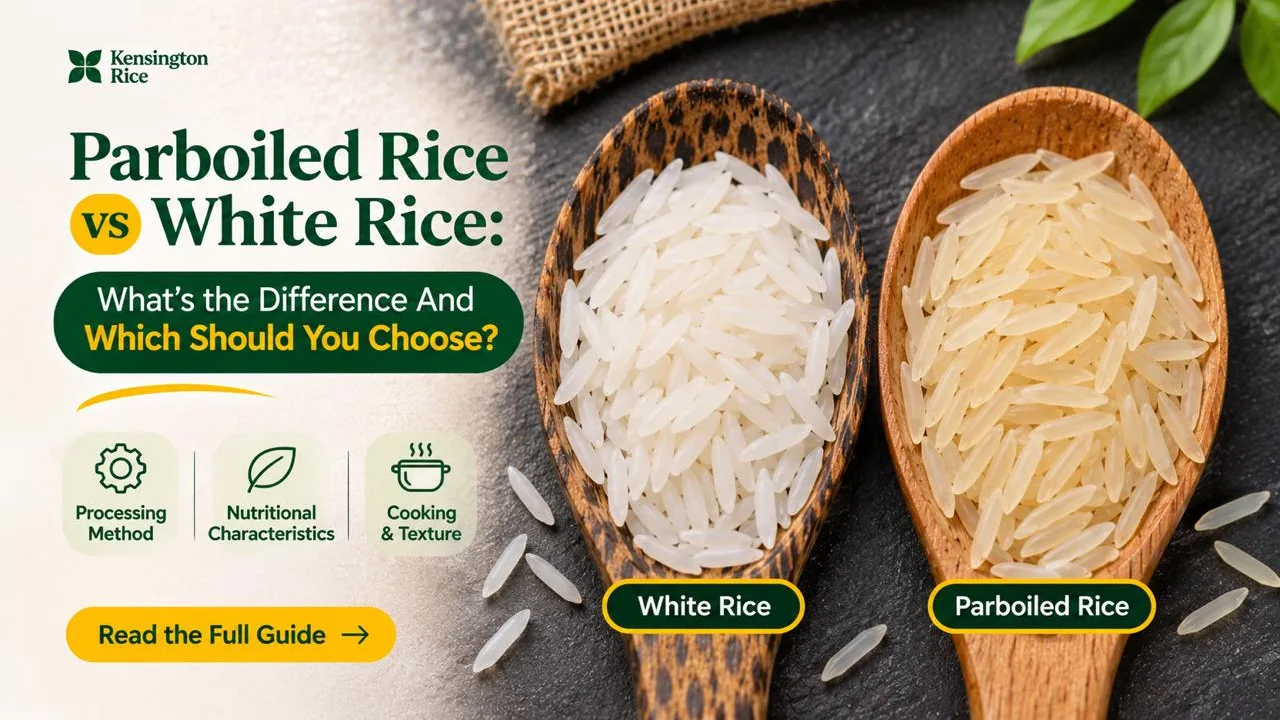
When shopping for rice, you may come across different varieties and product descriptions. Two terms that often appear are parboiled rice and white rice. Although they may look similar in a packaged bag, they are not necessarily processed in the same way. Understanding the difference between parboiled rice and white rice can help you make a more informed decision when shopping for your household or business. The distinction is not simply about colour or appearance. It has to do with how the rice is processed before it reaches the market, and this can influence its nutritional composition and cooking characteristics. So, what exactly separates parboiled rice from white rice, and which one should you choose?
What Is Parboiled Rice?
Parboiled rice is rice that undergoes a processing method before the outer husk is removed during milling. The process generally involves soaking the paddy rice in water, applying heat through steaming or another controlled heating method, and then drying it before milling. This treatment allows some nutrients from the outer layers of the grain to move into the starchy part of the rice. As a result, parboiled rice can retain more of certain nutrients than conventionally milled white rice. Parboiling also changes some of the physical properties of the grain. Depending on the variety and processing conditions, parboiled rice may have a firmer texture and may be less prone to breaking during handling and cooking. Its appearance can vary, but parboiled rice is often slightly yellowish or golden compared with some varieties of white rice.
What Is White Rice?
White rice is produced by removing the husk, bran and germ layers from the rice grain through milling. The milling process gives white rice its familiar appearance and texture. It is widely consumed because it is versatile, easy to prepare and suitable for many types of meals. White rice comes in different grain varieties, including short-grain, medium-grain and long-grain options. These varieties can differ in texture, cooking time and how much moisture they absorb. Unlike parboiled rice, conventionally milled white rice does not undergo the same soaking and heat treatment before milling. Its nutritional composition can also vary depending on the variety and whether it has been enriched with additional nutrients.
1. The Processing Method Is Different
The biggest difference between parboiled rice and white rice is how each product is processed. Parboiled rice undergoes soaking and heat treatment while it is still in its paddy form, before milling. White rice is milled to remove the bran and germ layers without that same parboiling process. This difference in processing influences the structure of the grain and can affect its appearance, nutritional composition and cooking behaviour. It is important to note that parboiled rice is not a completely different species of rice. It is a processing method that can be applied to different rice varieties.
2. They Can Have Different Nutritional Characteristics
Parboiling can help move some nutrients from the outer layers of the grain into the starchy interior before milling. This means parboiled rice may retain more of certain nutrients than comparable conventionally milled white rice. However, the nutritional value of rice depends on several factors, including the rice variety, processing method and whether the product has been enriched. It would therefore be inaccurate to assume that every parboiled rice product has exactly the same nutritional profile or that all white rice products have the same nutritional value. Consumers who want to compare nutritional information should check the product packaging where available.
3. Their Cooking Textures Can Be Different
Cooking behaviour is another consideration when comparing parboiled rice and white rice. Parboiled rice often has a firmer grain structure and may retain its shape more easily during cooking. This can make it suitable for meals where distinct grains are preferred. White rice can have a softer texture, although the final result depends heavily on the variety, water quantity and cooking method. Neither option is automatically better for every meal. The most suitable choice depends on the texture you enjoy and how you intend to prepare the rice.
4. Cooking Time and Water Requirements May Differ
Parboiled rice and white rice may require different cooking times and water quantities. Some parboiled rice varieties take longer to cook than comparable white rice varieties, although this is not a universal rule. The quantity of water required also depends on the grain type, processing, whether the rice has been soaked and the cooking method being used. This is why it is important to follow the instructions provided for the particular product you purchase rather than assuming that every type of rice should be prepared in exactly the same way. If you are trying a new variety, preparing a small quantity first can help you understand its cooking behaviour before making a larger batch.
5. Which Is Better for Nigerian Meals?
Both parboiled rice and white rice can be used in a variety of Nigerian meals. The decision often comes down to personal preference, cooking style and the result you want. For example, consumers preparing jollof rice may prioritise how well the grains hold their shape and absorb the sauce. Those preparing plain rice may focus more on the preferred texture and how the rice pairs with stew, soup or other accompaniments. For caterers and restaurants, consistency across larger quantities may also influence the choice. Rather than choosing one type simply because it is more popular, consider the meal you are preparing and the characteristics you prefer.
6. How to Choose Between Parboiled Rice and White Rice
If you are unsure which option to buy, consider the following:
Your preferred texture: Think about whether you prefer firmer grains or a softer result after cooking.
The meals you prepare: Consider whether the rice will be used for jollof rice, fried rice, plain rice or other dishes.
Cooking instructions: Check the preparation guidance for the specific product, especially if you are trying it for the first time.
Product information: Review the packaging and available nutritional details to understand what you are purchasing.
Your budget: Compare the price and bag size of different products before making a decision.
These considerations can help you choose a product that suits your household or business requirements.
Making the Right Rice Choice
The difference between parboiled rice and white rice begins with how they are processed. Parboiled rice undergoes soaking and heat treatment before milling, while conventional white rice is milled without that same process. These differences can influence nutritional composition, grain structure and cooking behaviour. However, the best option ultimately depends on the particular product, your preferred texture and the meals you intend to prepare. Understanding what you are buying makes it easier to compare products and choose rice that suits your needs. At Kensington Rice, we believe that informed food choices begin with understanding the products you bring into your kitchen. For enquiries and orders, visit www.kensingtonrice.com.
The Grain You Can Trust.